The difference between writing 12.7 again and recalling width is the difference between a scratchpad and a small model. STO and RCL let a calculator keep named values so a formula can be edited without hunting through old digits.
On a graphing or financial calculator, the variable name can be more important than the number. rate, time, and principal describe a relationship. A bare value only describes itself.
Store is an assignment, not a calculation
When a value is stored to A, the calculator is being told that A now refers to that value. The display may return to an ordinary calculation state, but the variable remains available. TI documents a store-to-variable operation and a recall operation for several graphing calculator families.
The assignment is a decision point. If the input was wrong, the variable now carries the wrong assumption until it is replaced or cleared. A variable notebook is useful because it is explicit, not because it is infallible.
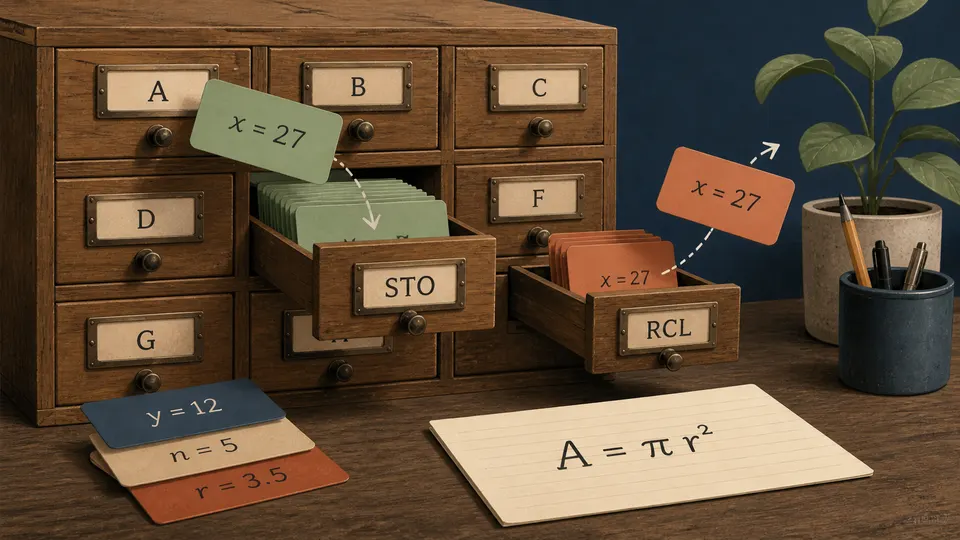
Recall turns repeated arithmetic into a reusable expression
If a rectangle’s area is width x height, recalling the two stored values lets you change one assumption and recompute the result without rebuilding the whole entry. On a financial calculator, a register can hold a value for a later cash-flow or interest calculation. The storage slot becomes part of the workflow.
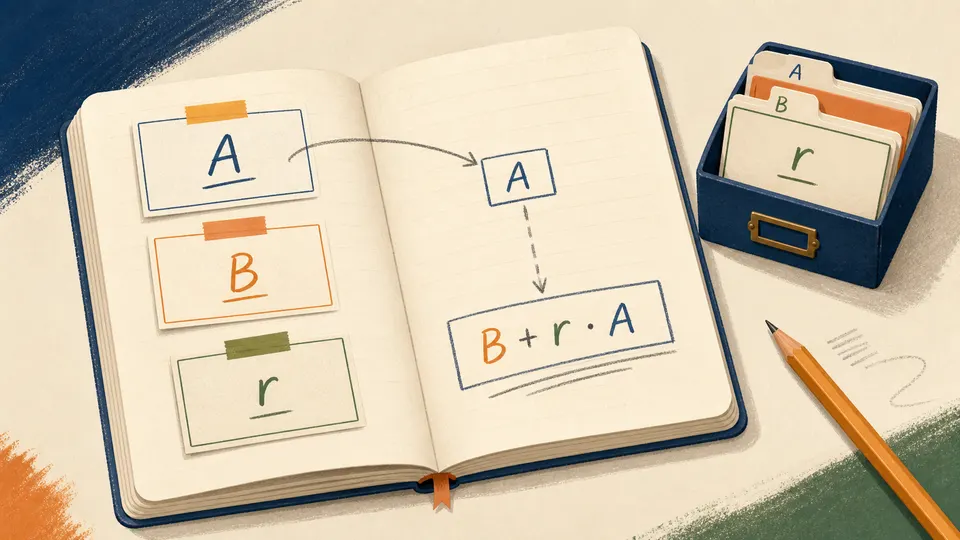
A stored value has a lifetime and a scope
Different calculator families offer different variables, registers, clearing commands, and persistence rules. TI’s BA II PLUS documentation describes numbered memory registers, while graphing calculators use named variables. Do not assume a variable survives a reset, a mode change, or a battery replacement without checking the manual.
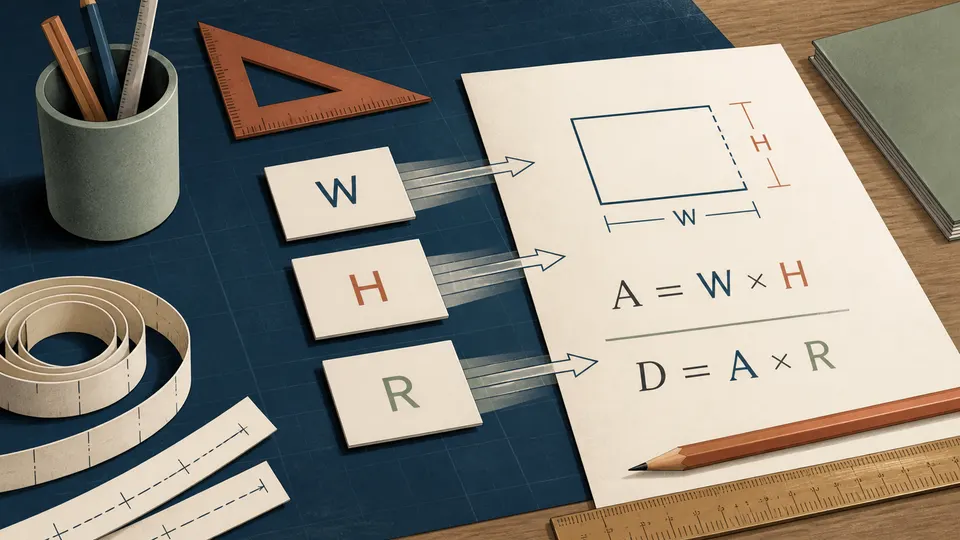
STO gives a number a name. RCL lets the name participate in the next question.