Dependencies make paths sequential
Photography may be booked only after a location is confirmed. In that case, relevant leads add rather than run in parallel.
Love and relationship planning
Estimate proposal readiness from couple-owned task labor, weekly capacity, parallel ring, location, and photography leads, plus a protected final buffer.
PROPOSAL CRITICAL PATH
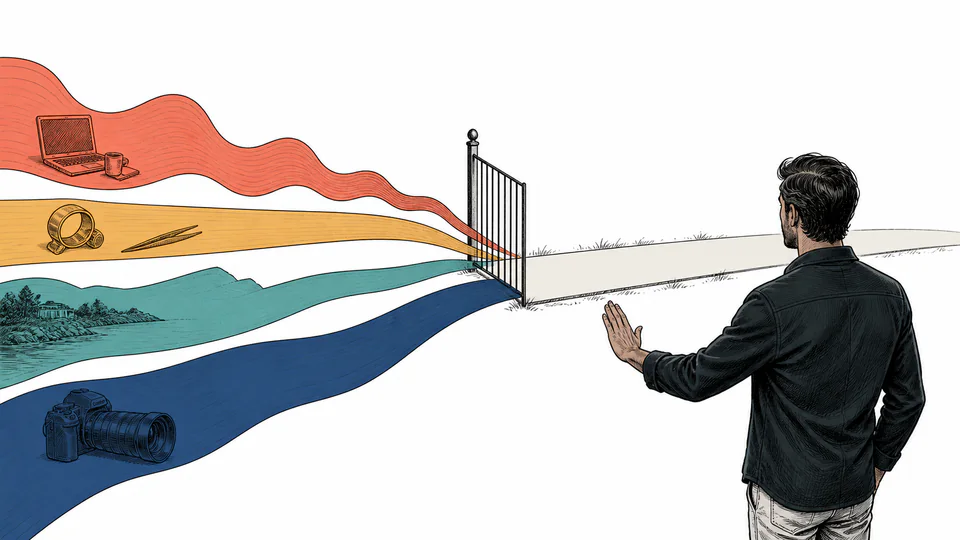
Proposal preparation mixes work you control with external promises you can only monitor. This calculator compares couple-owned labor duration with the longest parallel supplier lead and adds the final buffer after the controlling path.
PROPOSAL CRITICAL PATH
The minimum duration is the longer of couple-owned labor and the three declared parallel external leads, plus protected buffer. Sequential dependencies require a more detailed schedule.
| Schedule layer | Count | Rate/lead | Hours/lead | Calendar days |
|---|
CURRENT CALCULATION
Dlabor = tasks x hours/task / hours/week x 7; Lext = max(Lring,Lsite,Lphoto); Dcritical = max(Dlabor,Lext) + buffer
Couple-owned work is converted from tasks to labor hours and calendar days. Ring, location, and photography leads are treated as parallel; the longer of internal and external paths controls readiness before buffer.
HOW TO USE THIS DECISION TOOL
SUBJECT FOUNDATIONS
MODEL BOUNDARY
Couple-owned work is converted from tasks to labor hours and calendar days. Ring, location, and photography leads are treated as parallel; the longer of internal and external paths controls readiness before buffer.
DECISION DEPTH
Photography may be booked only after a location is confirmed. In that case, relevant leads add rather than run in parallel.
Writing a speech, arranging travel, or coordinating family may be much larger than the mean. Split dominating activities into their own path.
Permits, reservations, quotes, and availability may have response deadlines. A lead estimate without an authorization date is incomplete evidence.
REAL USE CASES
Delegating named setup work reduces internal labor only when responsibility actually transfers. The supplier path may still control the date.
A ready-to-ship item shortens ring lead, but quality, sizing, returns, insurance, and personal preference still require review.
TERMS USED ON THIS PAGE
EVIDENCE TO RETAIN
Keep the task register, average-hours rationale, weekly availability record, ring estimate, site authorization, photography confirmation, dependency notes, booking deadlines, buffer decision, and dated revisions. Store unrounded duration values with the export.
LIMITS AND EXCLUSIONS
RELIABLE SOURCES
QUESTIONS SPECIFIC TO THIS DECISION
It assumes ring, site, and photography preparation can run at the same time. Add dependent leads in a separate schedule when that is false.
Not directly. Convert working availability into weekly hours and use supplier leads already expressed in elapsed calendar days.
Yes when it consumes planned preparation capacity and has a defined done condition.
Both are controlling. A delay in either path threatens the buffer, so monitor both.
It can absorb some delay, but it is not a guarantee. Preserve tracking, refund, insurance, and fallback plans.
No. It only describes preparation capacity. Personal preference, relationship readiness, and date significance remain separate.
IMPORTANT BOUNDARY
This tool provides deterministic schedule arithmetic. It is not vendor, legal, financial, safety, counseling, or relationship advice and cannot establish an appropriate proposal date.
RELATED CALCULATORS